“Putting Paris Agreement carbon markets on Ethereum and connecting the national carbon accounts of the world, is blockchain’s killer app.”


“Putting Paris Agreement carbon markets on Ethereum and connecting the national carbon accounts of the world, is blockchain’s killer app.”
The sustainability movement has emerged as a 21st century megatrend, and it shows no signs of abating. Record heat in Europe, wildfires in the U.S. West, floods in Pakistan, drought in China, and accelerating ice cap melt in Greenland and Antarctica have driven home to many the looming threat of climate change.
Meanwhile, the New York Times declared in December “the sustainable industrial revolution is just getting started,” and even heavy industries like shipping, steel, and plastics are beginning to grasp the importance of an ecologically sustainable future — developing products like “green steel,” which is a fossil-free steelmaking process.
But hurdles remain, including questions about transparency, accountability, traceability, trust, data integrity, and even greenwashing (making false or insincere environmental claims.) Or as the Times asked: “Can some of history’s highest-polluting industries be trusted?” in spite of their professed good intentions.
This is where blockchain technology could make a difference. Like the sustainability movement itself, blockchain tech is global, 21st century, and mostly unformed though likely to be shaped soon by new laws and rules. Blockchains can simplify and lower costs of ESG (environmental, social and governance) reporting, build trust in “collected” data, develop new eco-related trading markets, and suggest new sources of innovation.
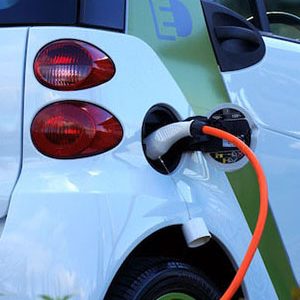
Blockchain can prove that green energy is really green. (Source: Pexels)In March, for instance, automaker Volkswagen announced that it was using blockchain technology to help ensure that electric vehicle (EV) charging stations were using sustainable sources to recharge their electric cars. This move is aimed at consumers who want validation that the energy being used to recharge their vehicles isn’t coming from brown coal-powered electric companies or the like. BMW is said to be developing something similar.

“Putting Paris Agreement carbon markets on Ethereum and connecting the national carbon accounts of the world, is blockchain’s killer app.”
“Putting Paris Agreement carbon markets on Ethereum and connecting the national carbon accounts of the world, is blockchain’s killer app.”
The sustainability movement has emerged as a 21st century megatrend, and it shows no signs of abating. Record heat in Europe, wildfires in the U.S. West, floods in Pakistan, drought in China, and accelerating ice cap melt in Greenland and Antarctica have driven home to many the looming threat of climate change.
Meanwhile, the New York Times declared in December “the sustainable industrial revolution is just getting started,” and even heavy industries like shipping, steel, and plastics are beginning to grasp the importance of an ecologically sustainable future — developing products like “green steel,” which is a fossil-free steelmaking process.
But hurdles remain, including questions about transparency, accountability, traceability, trust, data integrity, and even greenwashing (making false or insincere environmental claims.) Or as the Times asked: “Can some of history’s highest-polluting industries be trusted?” in spite of their professed good intentions.
This is where blockchain technology could make a difference. Like the sustainability movement itself, blockchain tech is global, 21st century, and mostly unformed though likely to be shaped soon by new laws and rules. Blockchains can simplify and lower costs of ESG (environmental, social and governance) reporting, build trust in “collected” data, develop new eco-related trading markets, and suggest new sources of innovation.
Blockchain can prove that green energy is really green. (Source: Pexels)In March, for instance, automaker Volkswagen announced that it was using blockchain technology to help ensure that electric vehicle (EV) charging stations were using sustainable sources to recharge their electric cars. This move is aimed at consumers who want validation that the energy being used to recharge their vehicles isn’t coming from brown coal-powered electric companies or the like. BMW is said to be developing something similar.
The sustainability movement has emerged as a 21st century megatrend, and it shows no signs of abating. Record heat in Europe, wildfires in the U.S. West, floods in Pakistan, drought in China, and accelerating ice cap melt in Greenland and Antarctica have driven home to many the looming threat of climate change.
Meanwhile, the New York Times declared in December “the sustainable industrial revolution is just getting started,” and even heavy industries like shipping, steel, and plastics are beginning to grasp the importance of an ecologically sustainable future — developing products like “green steel,” which is a fossil-free steelmaking process.
But hurdles remain, including questions about transparency, accountability, traceability, trust, data integrity, and even greenwashing (making false or insincere environmental claims.) Or as the Times asked: “Can some of history’s highest-polluting industries be trusted?” in spite of their professed good intentions.
This is where blockchain technology could make a difference. Like the sustainability movement itself, blockchain tech is global, 21st century, and mostly unformed though likely to be shaped soon by new laws and rules. Blockchains can simplify and lower costs of ESG (environmental, social and governance) reporting, build trust in “collected” data, develop new eco-related trading markets, and suggest new sources of innovation.
Blockchain can prove that green energy is really green. (Source: Pexels)In March, for instance, automaker Volkswagen announced that it was using blockchain technology to help ensure that electric vehicle (EV) charging stations were using sustainable sources to recharge their electric cars. This move is aimed at consumers who want validation that the energy being used to recharge their vehicles isn’t coming from brown coal-powered electric companies or the like. BMW is said to be developing something similar.
The sustainability movement has emerged as a 21st century megatrend, and it shows no signs of abating. Record heat in Europe, wildfires in the U.S. West, floods in Pakistan, drought in China, and accelerating ice cap melt in Greenland and Antarctica have driven home to many the looming threat of climate change.
Meanwhile, the New York Times declared in December “the sustainable industrial revolution is just getting started,” and even heavy industries like shipping, steel, and plastics are beginning to grasp the importance of an ecologically sustainable future — developing products like “green steel,” which is a fossil-free steelmaking process.
But hurdles remain, including questions about transparency, accountability, traceability, trust, data integrity, and even greenwashing (making false or insincere environmental claims.) Or as the Times asked: “Can some of history’s highest-polluting industries be trusted?” in spite of their professed good intentions.
This is where blockchain technology could make a difference. Like the sustainability movement itself, blockchain tech is global, 21st century, and mostly unformed though likely to be shaped soon by new laws and rules. Blockchains can simplify and lower costs of ESG (environmental, social and governance) reporting, build trust in “collected” data, develop new eco-related trading markets, and suggest new sources of innovation.
Blockchain can prove that green energy is really green. (Source: Pexels)In March, for instance, automaker Volkswagen announced that it was using blockchain technology to help ensure that electric vehicle (EV) charging stations were using sustainable sources to recharge their electric cars. This move is aimed at consumers who want validation that the energy being used to recharge their vehicles isn’t coming from brown coal-powered electric companies or the like. BMW is said to be developing something similar.
Read this article to understand why a metaverse can thrive and scale better on blockchain rails.
MicroStrategy bought an additional 301 Bitcoin for $6 million at an average price of $19,851, the company’s executive chairman announced on Twitter.
Considering investing in cryptocurrencies for the long run? Roth IRAs and other tax advantages investment vehicles are worth considering.
Total crypto payments on BitPay remained stable despite the bear market, with monthly transactions surging from around 58,000 in 2021 to 67,000 in 2022.
Total crypto payments on BitPay remained stable despite the bear market, with monthly transactions surging from around 58,000 in 2021 to 67,000 in 2022.
A set of technical indicators see Bitcoin price ending its prevailing bearish cycle.
Bitcoin (BTC) recovered above the $19,000 mark on Sep. 20, a day after falling to its lowest level in three months.
On the daily chart, the BTC price rose from $18,255 to $19,650. This 7.5% price rebound mirrored similar rebound moves witnessed in the stock market, suggesting that investors have been coming to terms with another significant rate hike by the Federal Reserve expected on Sep. 20-21.
BTC/USD daily price chart versus ACWI and Nasdaq. Source: TradingViewHowever, opinions differ on the longevity of Bitcoin's rebound. Independent market analyst Jonny Moe stressed that BTC's ongoing price action is similar to its sideways consolidation moves at the beginning of this year.
In other words, Bitcoin's current price rebounds around the $20,000 mark do not make a long-term bull case.
Rudy Takala, former Fox News executive and opinion editor at Cointelegraph, also warns crypto traders to prepare for more "dark times" due to worsening economic conditions globally.

The trading company will pay back the debt, which has fallen almost twice in dollar estimate, by the end of September.
The trading company will pay back the debt, which has fallen almost twice in dollar estimate, by the end of September.
The bill amendment demands the Secretary of State submit reports to congressional committees explaining why the DOS made the determination to pay out rewards in cryptocurrency.
IP rights will continue to be an area of conflict within Web3 and NFTs, but there's no easy solution, lawyers told Cointelegraph.
A hacker took over CoinDCX's official Twitter account and has constantly been tweeting XRP scam links.